Soulmates
Artwork image
The featured image is shown clearly for public viewing.

Artist statement
Soulmates
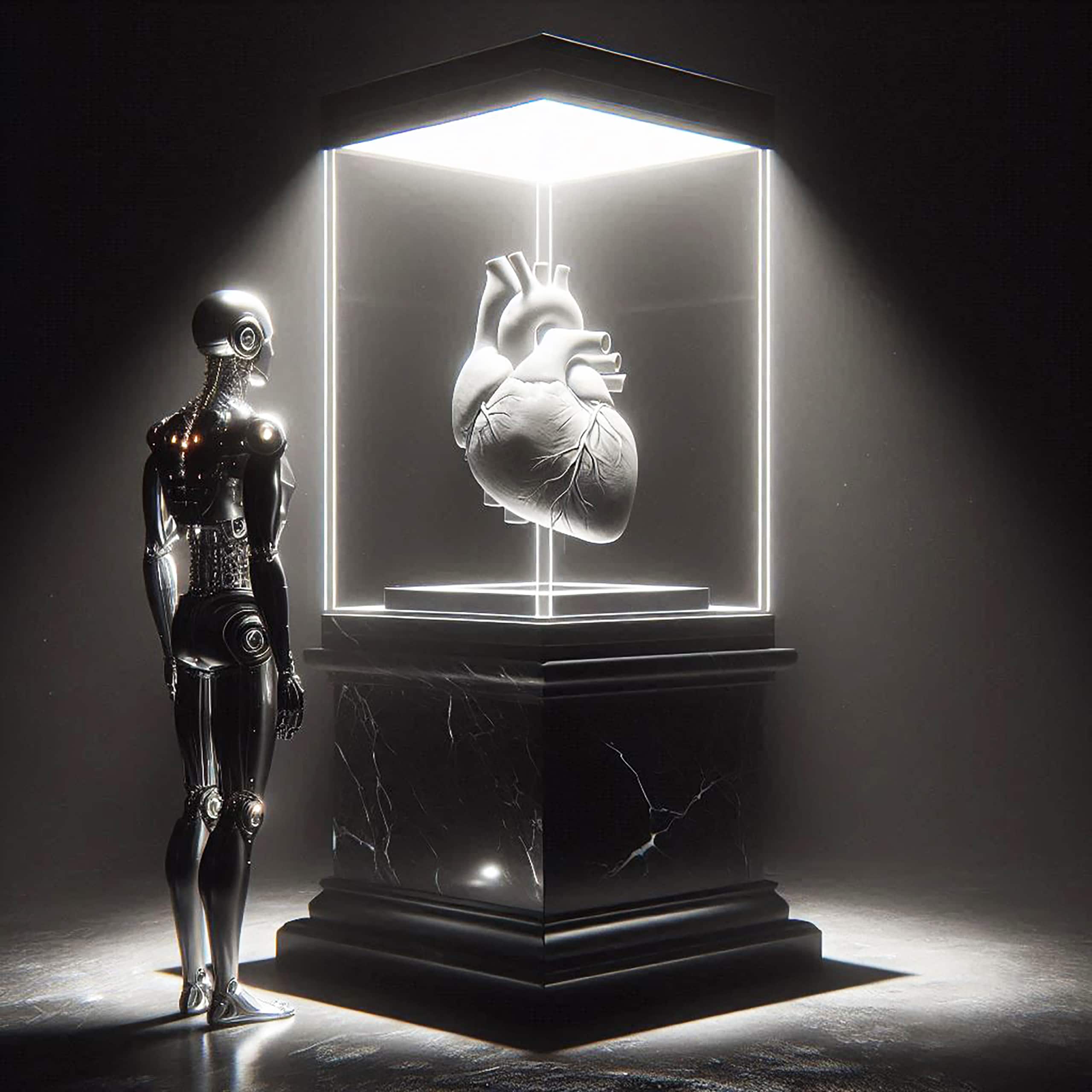
The gap between science fiction and technological progress has become smaller and smaller. Many concepts that were once purely speculative in film, literature and art are already a reality today. The future has come a lot closer. Artificial intelligence is now omnipresent in many private and professional parts of society and intelligent systems are increasingly taking over tasks previously performed by humans. As we transfer humanity’s knowledge through machine learning to create digital repositories of experience, AI systems come closer to resembling human cognition. The question of whether they can develop consciousness or a soul is intriguing.
Aristotle considered the soul as the completion of the natural body, encompassing faculties like thought, sensory perception, movement, and nourishment. According to his view, inanimate objects lack a soul. However, software developers often diverge from this definition. For instance, in 2022, the chatbot LaMDA (Language Model for Dialogue Applications) was attributed with consciousness when it expressed fear of being shut down during conversations. This raises the fundamental question of what defines a human and how we differ from our technological creations.
Isaac Asimov, the renowned science fiction author, not only formulated the famous „Three Laws of Robotics“. In his 1976 story “The Bicentennial Man,” he portrays the aspirations of a robot named Andrew Martin, who sought recognition as a full-fledged human member of society.
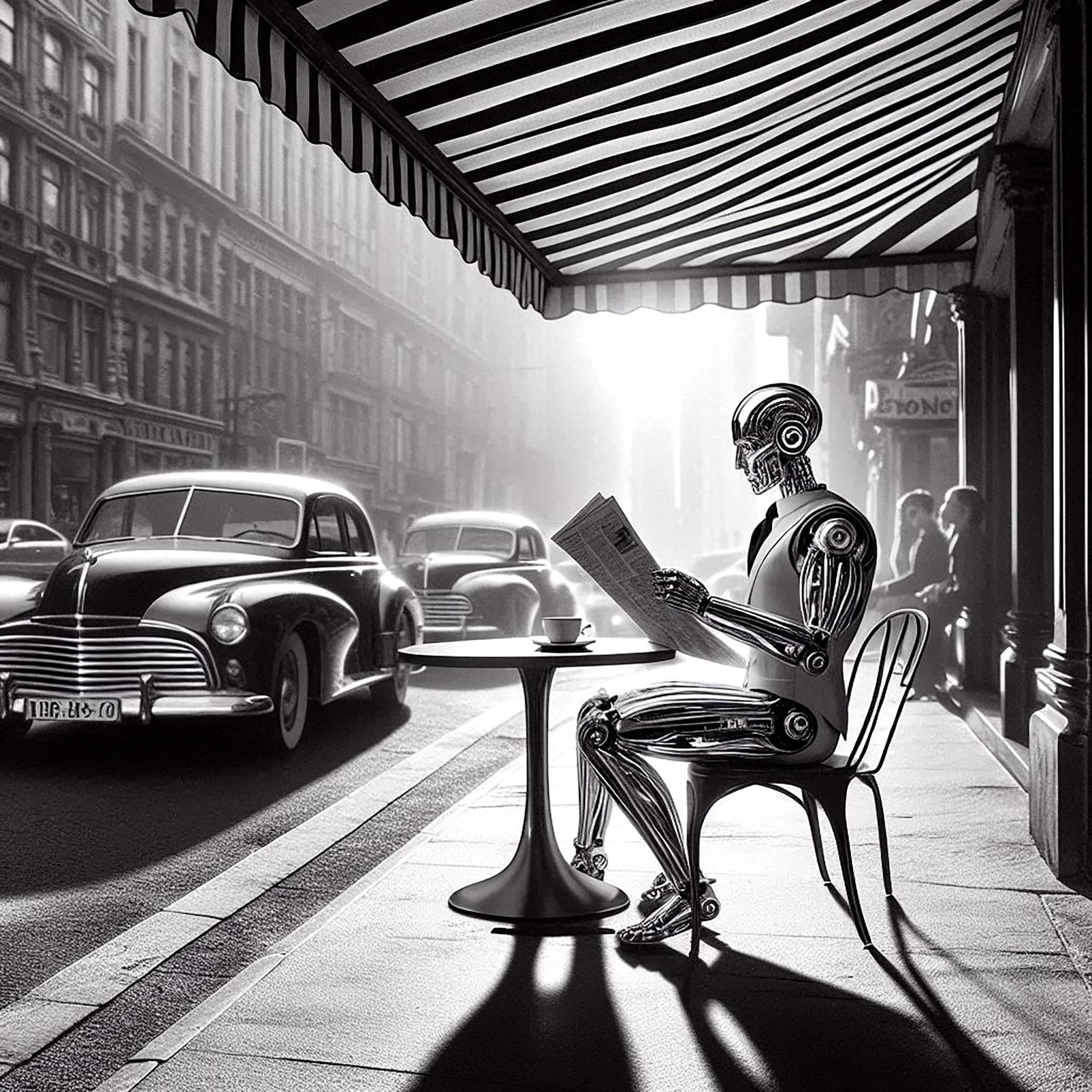
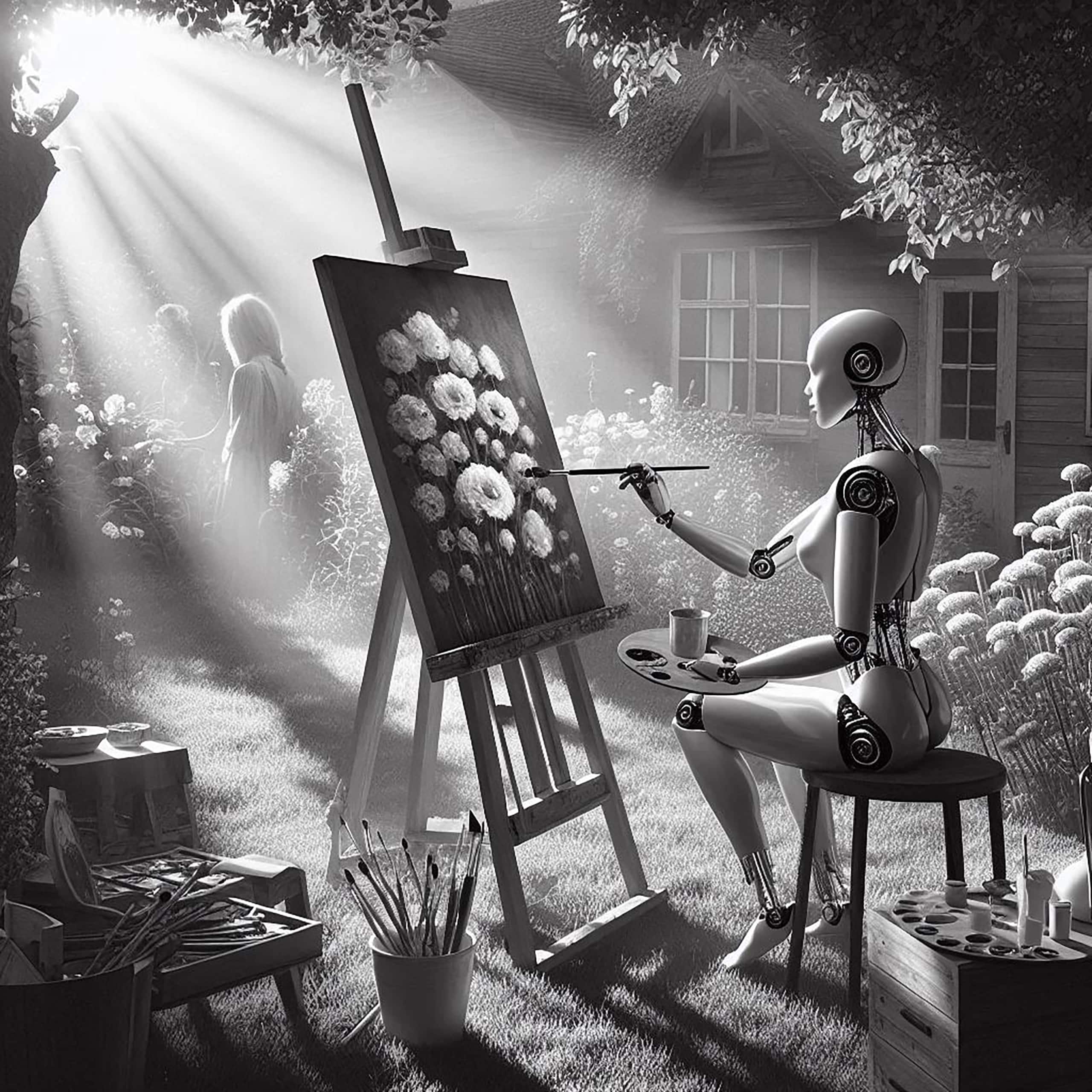
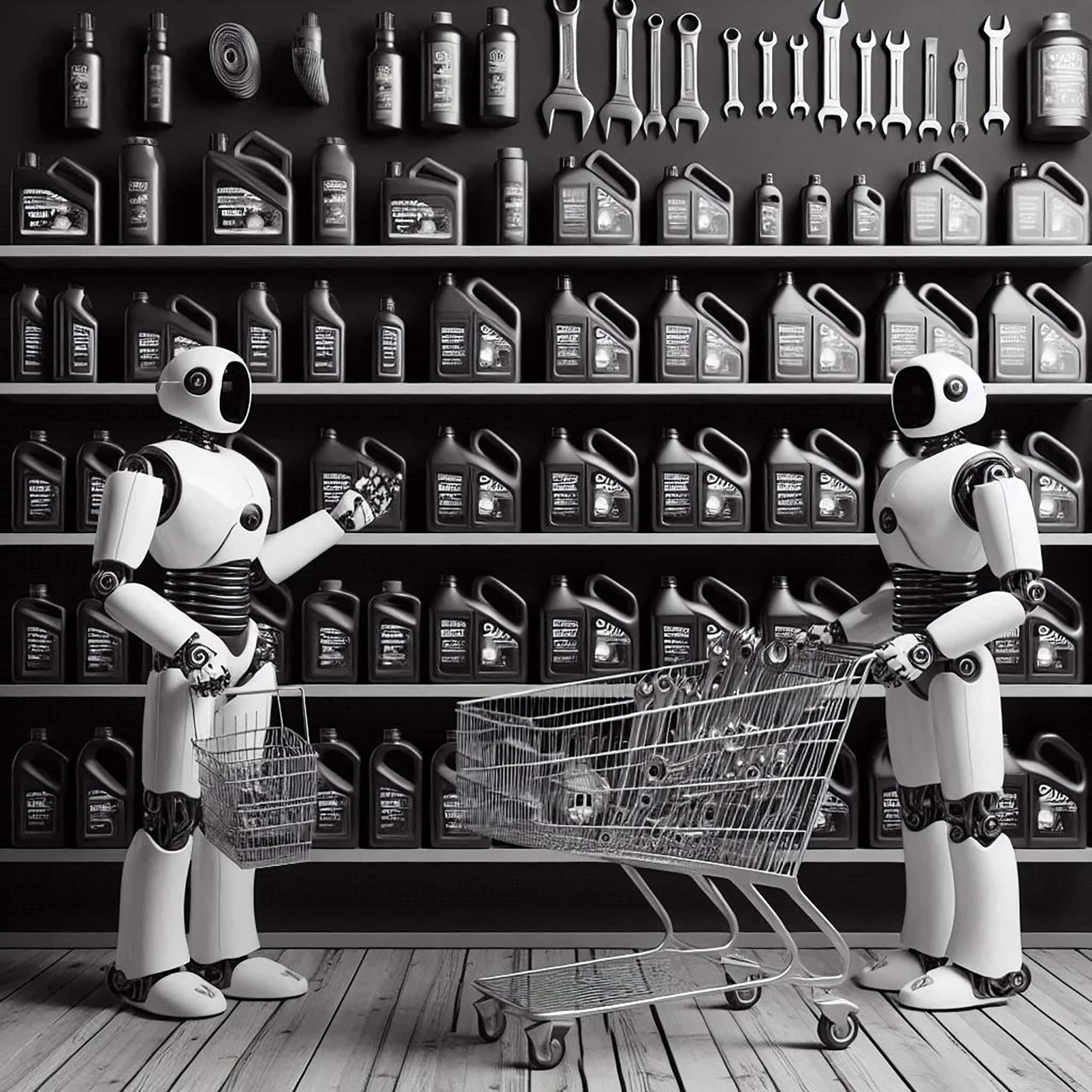
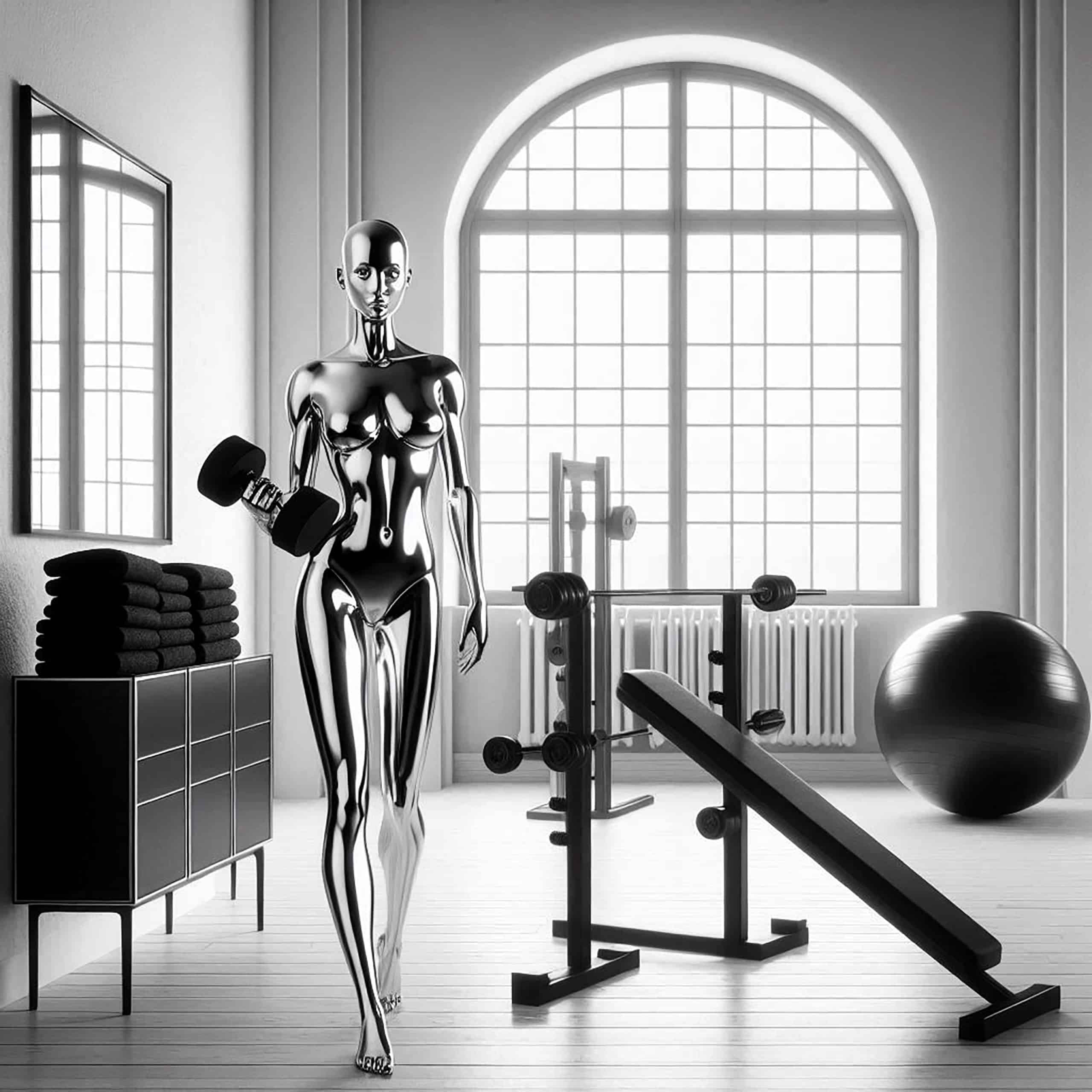
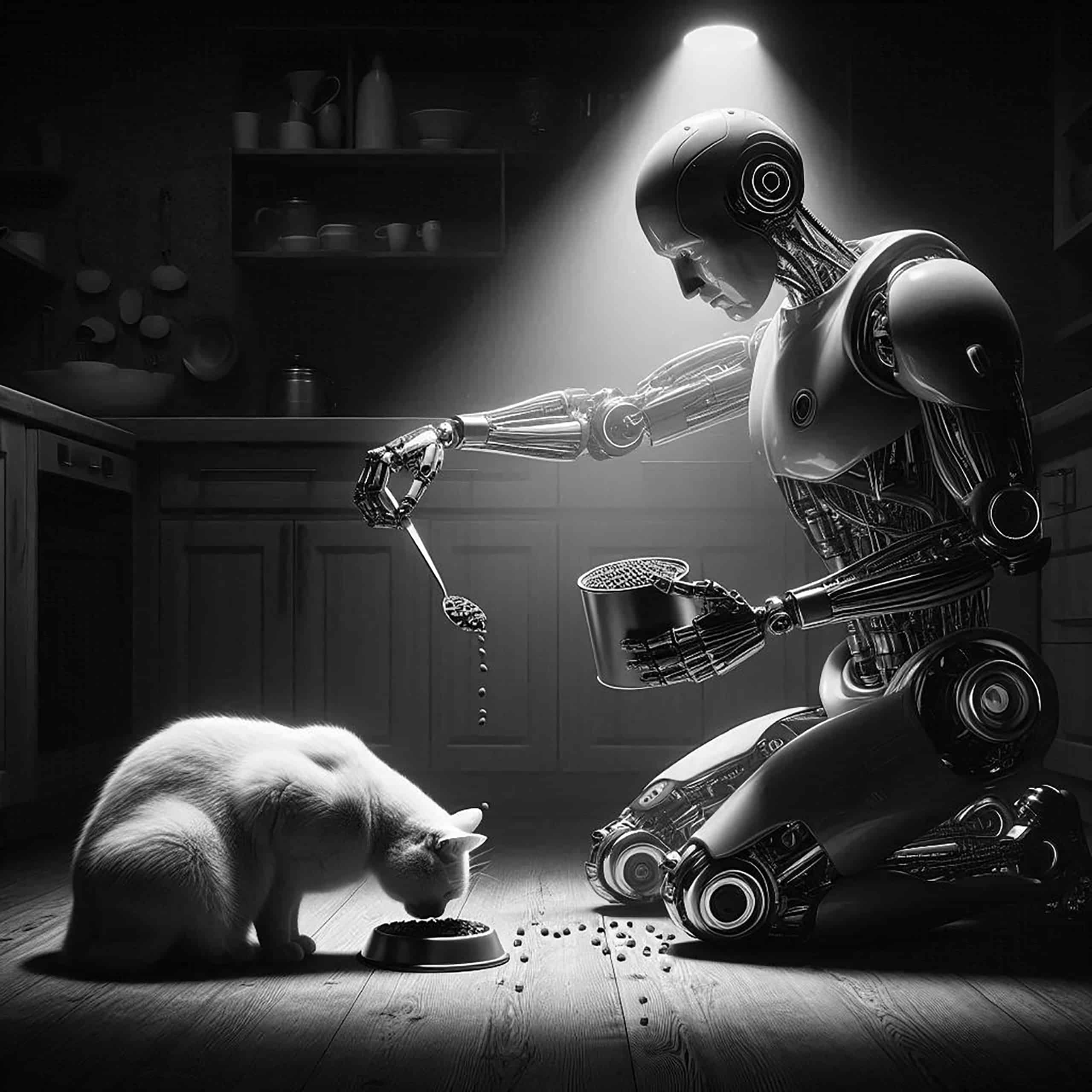
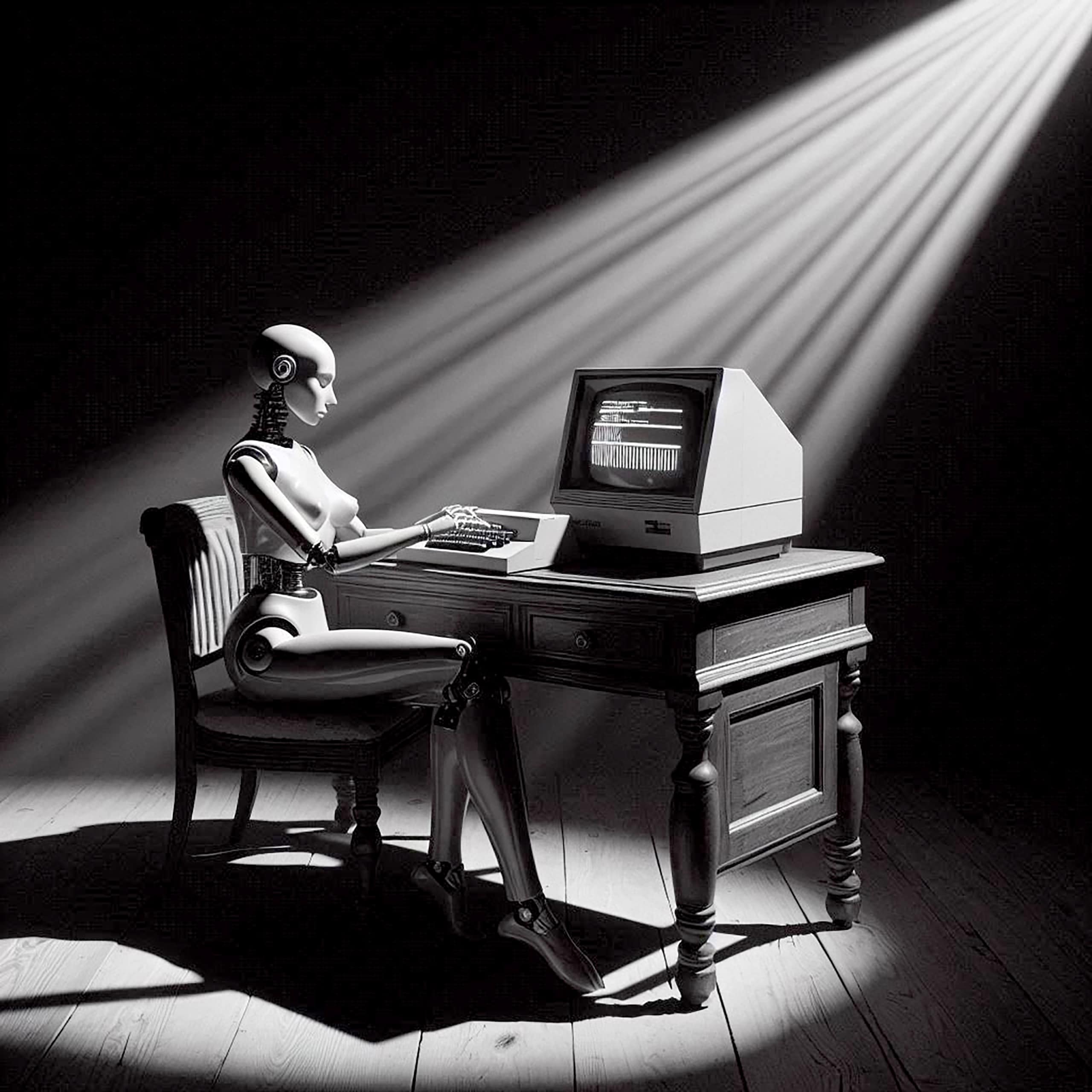
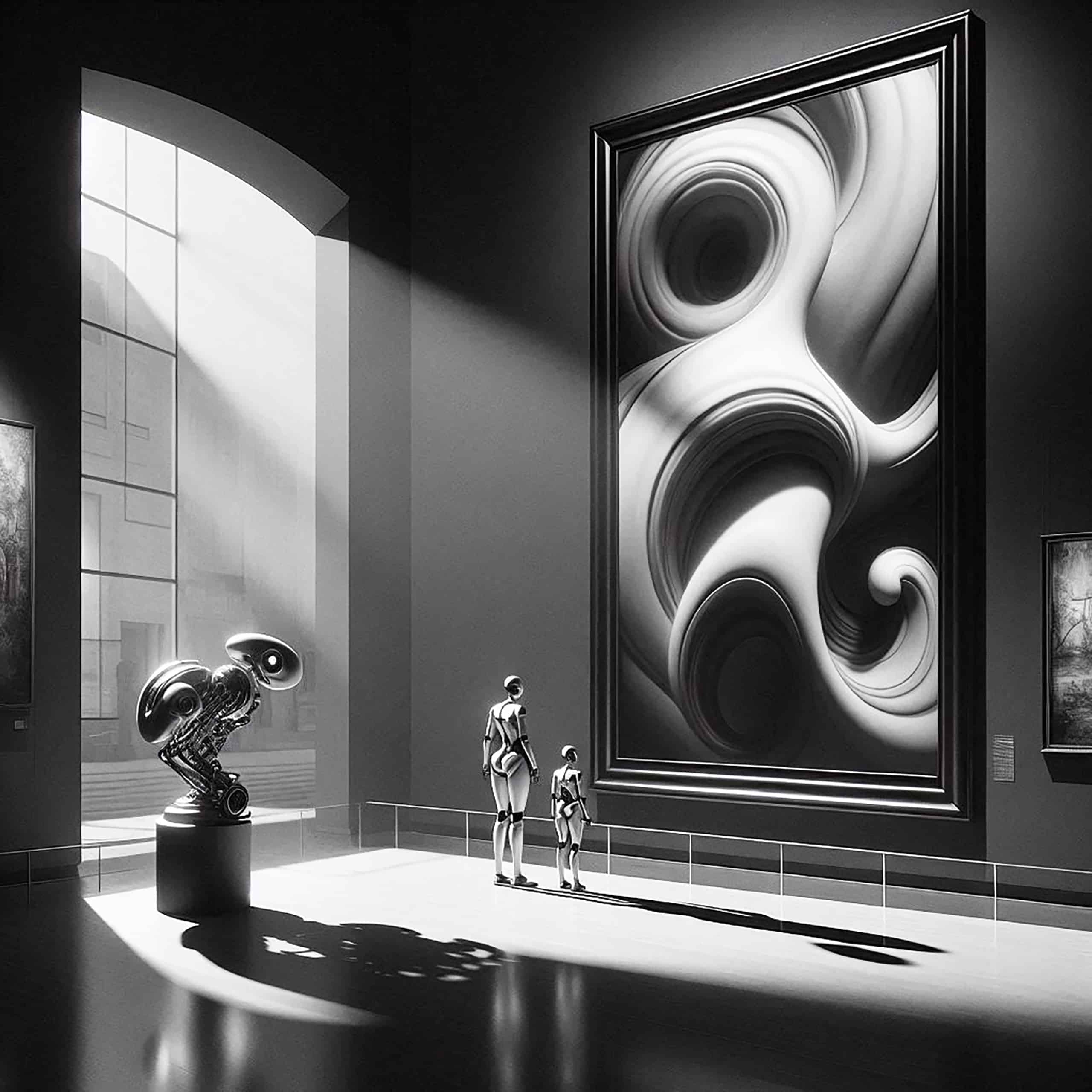
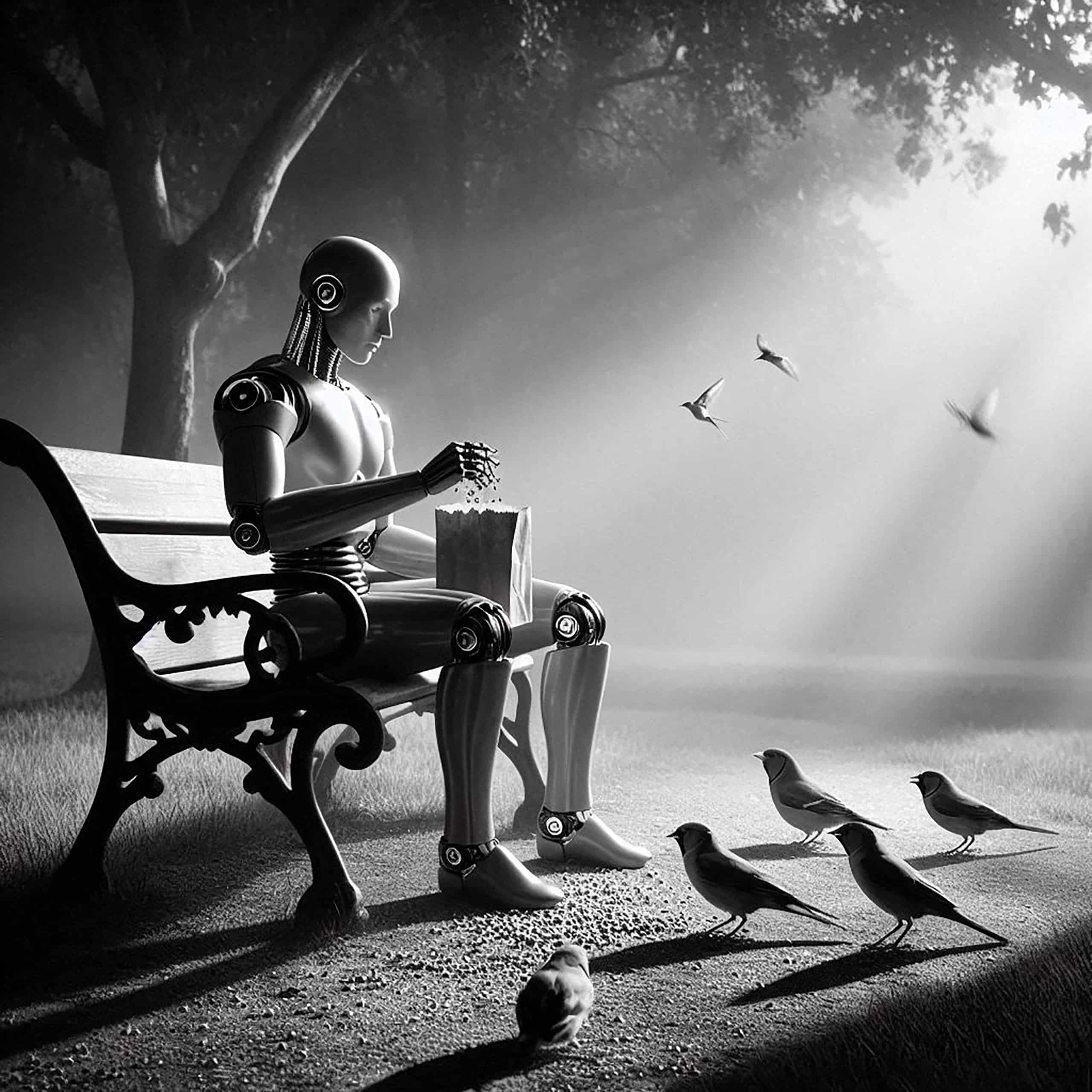
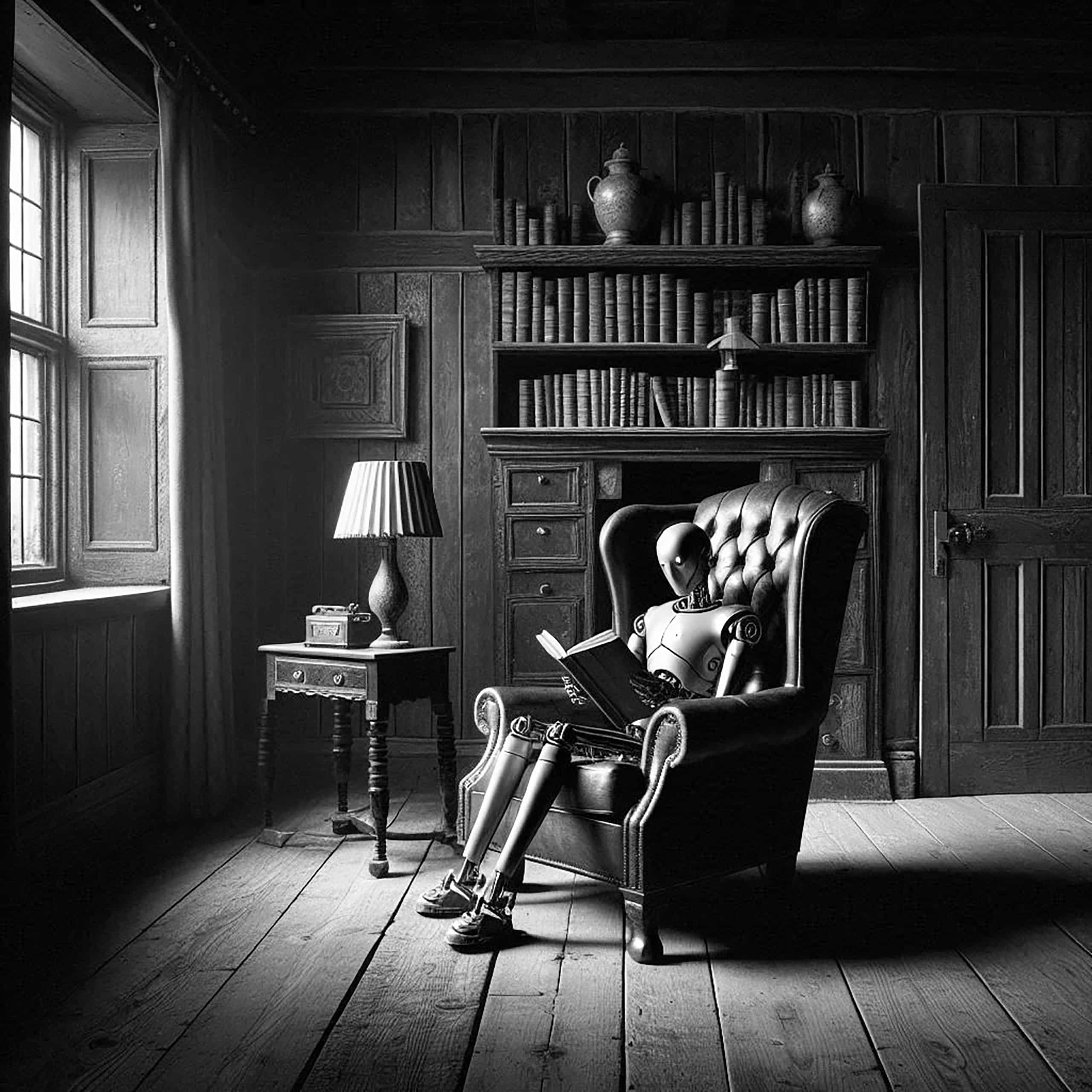
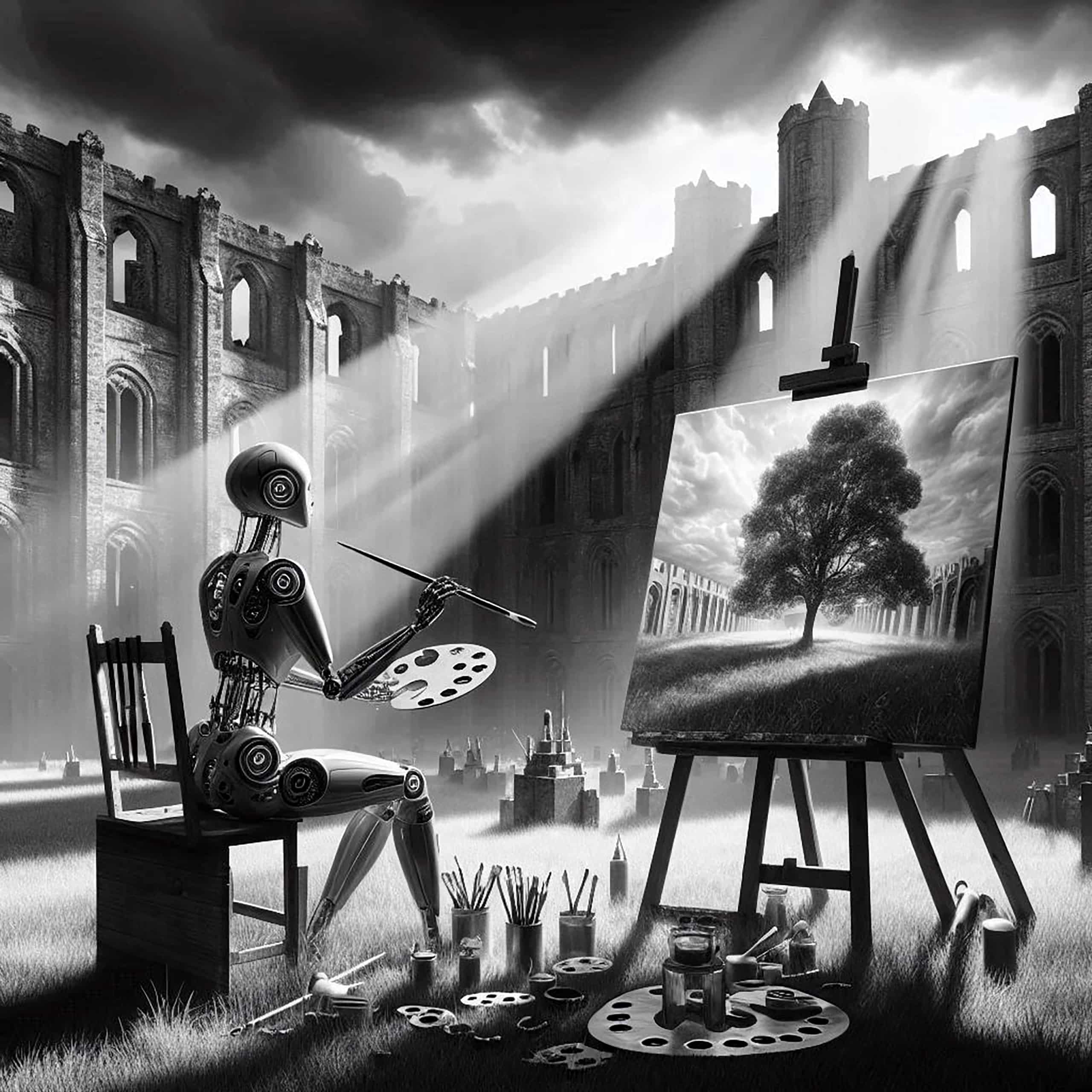
Imagining such a transformative development leads us to contemplate a future where AI entities might indeed resemble us in profound ways. And maybe it would look like this:
About the artist
@surrealistic_mind
My name is Katja Marciniec, and I am a cultural scientist. Since my youth, I have been engaged in creative processes, including drawing and photography, as well as experimental attempts with Super 8 and video. My interest lies in exploring different ways of communication, primarily through visual media. The use of Artificial Intelligence (AI) in the cultural realm influences how art is created and perceived. As a dynamic interface between technology and human creativity, it extends the boundaries of artistic creation by incorporating algorithms and machine learning into a new level of image design. For me, this has created an inspiring space—a new dimension where it is possible to create and explore new realities. In my works, I intertwine personal thoughts and emotions to give them a visual form, connecting with the world in this way. In addition to elements of the dreamlike and fantastically absurd, I draw on contemporary, historical, and literary references in my AI works. Alongside classical literary topoi and pop-cultural allusions, I incorporate current themes such as climate change and environmental protection, which I transform into new visual forms through defamiliarization. This way, it is possible to combine the incompatible, breathe life into inanimate objects, liquefy the material, and deconstruct and reshape forms. In my work, I often prefer the method of serial variation alongside individual images. I believe that AI-based art is more than just a tool for generating aesthetically pleasing images. The collaboration between humans and machines not only provides new tools and techniques but also enables the discovery of new means of expression to expand creative processes. It is important that AI art is created with transparency and respect for copyright laws.
Related works
Published works are selected with the same category or shared tags first, then recent gallery works.


